
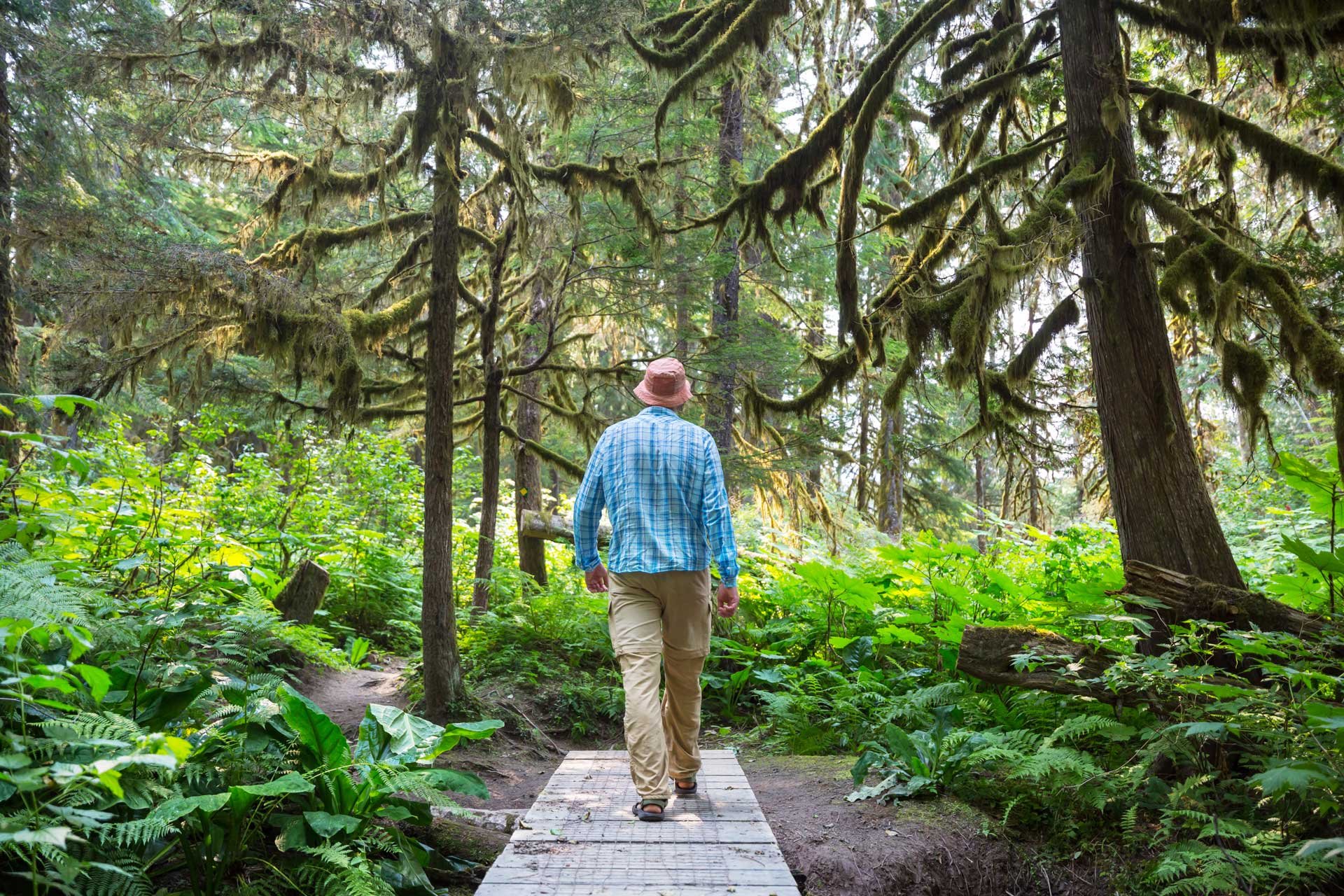
Nature Therapy: The 120-Minute Rule for Mental Well-being
In our increasingly fast-paced, screen-dominated world, finding moments of genuine calm can feel like an uphill battle. As mental health professionals, we frequently discuss the importance of coping skills, emotional regulation, and mindfulness. However, recent clinical research is shedding light on an intervention that is both highly effective and completely free: time spent in nature.
Often referred to as “Green Time” or ecotherapy, the practice of immersing oneself in natural environments is no longer just a pleasant suggestion. It is becoming a prescribed, evidence-based intervention for reducing anxiety, combating depression, and restoring cognitive function. A landmark meta-analysis published in Nature has provided us with a specific, actionable guideline: the 120-minute rule [1].
The Science of Green Time
For years, we have intuitively known that a walk in the park feels good. But what exactly is happening in the brain?
Research from 2024 and 2025 has significantly strengthened the clinical case for nature exposure. When we spend time in natural settings, our nervous system undergoes a profound shift. Studies have shown that nature exposure directly reduces neural activity in the subgenual prefrontal cortex—the specific area of the brain associated with rumination and the repetitive negative thinking often seen in anxiety and depression [2].
Furthermore, nature provides what psychologists call “soft fascination.” Unlike the “hard fascination” required by our screens, jobs, and daily stressors—which drains our directed attention—soft fascination engages our minds effortlessly. Watching leaves rustle in the wind or water ripple on a lake allows our cognitive resources to rest and replenish, leading to improved executive control and attention span.
The 120-Minute Threshold
Perhaps the most compelling finding from recent ecotherapy research is the establishment of a specific “dose” for mental health benefits. According to the data, individuals who spend at least 120 minutes per week in nature report significantly higher levels of psychological well-being and life satisfaction compared to those who do not [1].
The beauty of the 120-minute rule is its flexibility. The benefits peak between 120 and 300 minutes per week, and it does not matter how you accumulate the time.
You can achieve your weekly dose through:
– A single two-hour hike on the weekend.
– Two 60-minute visits to a local park.
– Daily 15-to-20-minute mindful walks during your lunch break.
Whether the exposure is continuous or broken into smaller segments, the positive impact on the nervous system remains consistent.
Integrating Nature into DBT and Wellness
At Healing Mind Psychotherapy, we often teach the PLEASE skills from Dialectical Behavior Therapy (DBT). These skills emphasize reducing emotional vulnerability by taking care of your physical body (Treating Physical illness, balancing eating, avoiding mood-altering substances, balancing Sleep, and getting exercise).
Nature therapy naturally intersects with these skills. A mindful walk in a green space is not just exercise; it is an active practice of regulating your nervous system.
Here are a few ways to maximize the therapeutic benefits of your time outdoors:
- Unplug Completely: To truly experience “soft fascination,” leave your phone in your pocket. The goal is to disconnect from digital demands and connect with your immediate environment.
- Engage Your Senses: Practice mindfulness by noticing the temperature of the air, the sound of birds or rustling leaves, and the various shades of green around you.
- Combine with Breathwork: If you feel overwhelmed, find a quiet spot in a park to practice deep breathing. Techniques like the Physiological Sigh (a double inhale followed by a long exhale) are even more effective when paired with the calming backdrop of nature.
Making It a Habit
Incorporating 120 minutes of nature into your week might sound challenging at first, but it is highly achievable with small adjustments. Consider taking your morning coffee to the porch, holding a “walking meeting” if you work from home, or choosing a scenic route for your evening commute.
Nature is not a replacement for professional therapy or medical treatment, but it is a powerful, accessible tool in your mental health toolkit. By intentionally prescribing yourself “Green Time,” you are taking an active, evidence-based step toward a more regulated, resilient mind.
Are you looking for more structured ways to build resilience and regulate your emotions? Consider joining our upcoming Skills for Living DBT group. Visit our Programs Page to learn more.
References
[1] White, M. P., Alcock, I., Grellier, J., et al. (2019). Spending at least 120 minutes a week in nature is associated with good health and wellbeing. Scientific Reports, 9(1), 7730. https://doi.org/10.1038/s41598-019-44097-3
[2] Bratman, G. N., Hamilton, J. P., Hahn, K. S., Daily, G. C., & Gross, J. J. (2015). Nature experience reduces rumination and subgenual prefrontal cortex activation. Proceedings of the National Academy of Sciences, 112(28), 8567-8572. https://doi.org/10.1073/pnas.1510459112
