
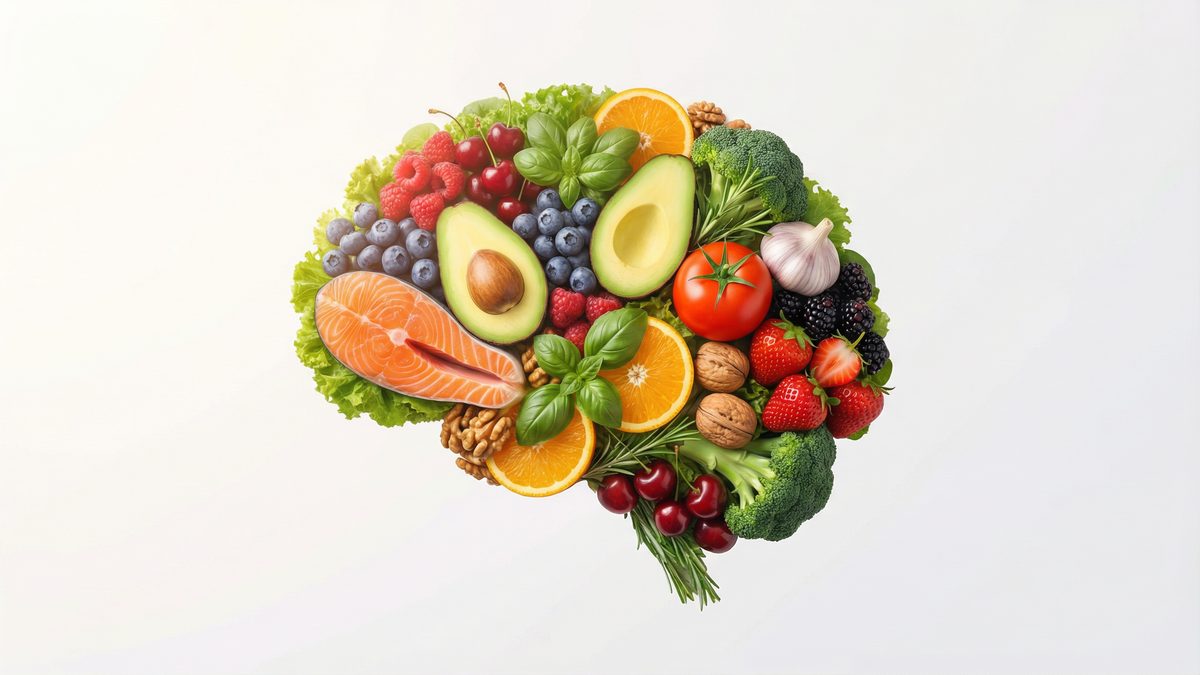
In the quest for mental wellness, we often focus on therapy, medication, and mindfulness. But what if one of the most powerful tools for improving our mental health is already on our plate? Emerging science is revealing a profound and intricate connection between what we eat and how we feel, a field known as nutritional psychiatry. Groundbreaking research from early 2026 is even suggesting that the roots of depression may be linked to a fundamental energy crisis within our very cells — a discovery that could reshape how we diagnose and treat mental illness.
For decades, the brain was treated as an isolated organ, separate from the body’s daily functions. We now understand this is far from the truth. The brain is in constant, dynamic conversation with our gut through a complex network called the gut-brain axis. This communication highway runs both ways, meaning our thoughts and emotions can affect our digestion, and, crucially, the state of our gut can directly influence our mood, cognition, and mental resilience. This article explores the latest science behind the food-mood connection, offering a new perspective on mental health and providing practical, evidence-based steps you can take to nourish your mind.
The Science of a Well-Nourished Mind
The link between diet and mental health is not just a general sense of well-being; it is rooted in the complex biological processes that govern our bodies. The food we consume provides the essential building blocks for neurotransmitters — the chemical messengers that regulate everything from mood and motivation to focus and sleep. For instance, the amino acid tryptophan, found in foods like turkey and oats, is a precursor to serotonin, often called the “feel-good” neurotransmitter. Similarly, iron is a critical component in the chemical pathway that produces dopamine, which is central to our brain’s reward and motivation systems. A deficiency in these core nutrients can directly impair the brain’s ability to produce the chemicals it needs to function optimally.
A significant portion of this chemical production happens in the gut. An estimated 95% of the body’s serotonin is produced within our gastrointestinal tract, which is lined with a network of neurons sometimes referred to as the “second brain.” The health of this second brain is profoundly influenced by the trillions of microorganisms that live there — our gut microbiome. These microbes help digest our food, produce essential vitamins, and regulate our immune system. When we eat a diet rich in diverse, fiber-filled plant foods, we nourish a healthy and diverse microbiome. These beneficial microbes, in turn, produce compounds like short-chain fatty acids (SCFAs), which reduce inflammation and strengthen the gut barrier.
Conversely, a diet high in ultra-processed foods — which now account for over half the calories consumed by adults and more than 60% consumed by children and teens in the United States — can have the opposite effect. These foods, often high in sugar, unhealthy fats, and chemical additives, can promote the growth of inflammatory gut bacteria, leading to a condition known as “leaky gut.” This allows inflammatory molecules to enter the bloodstream and travel to the brain, contributing to the low-grade neuroinflammation now widely linked to depression and anxiety.
Adding another layer to this complex picture, a groundbreaking study published in Translational Psychiatry in March 2026 uncovered a surprising energy imbalance at the cellular level in young adults with major depressive disorder. Researchers from the University of Queensland and the University of Minnesota found that while their cells produced more energy at rest, they struggled to increase energy production when needed. This suggests the mitochondria — the powerhouses of our cells — are overworked and have a reduced capacity to cope with stress, potentially explaining the profound fatigue and low motivation that so often accompany depression. This finding reinforces the idea that depression is a whole-body illness, tied to our fundamental metabolic and energetic processes.
“This shows multiple changes occur in the body, including in the brain and the blood, and that depression impacts energy at a cellular level. It also proves not all depression is the same; every patient has different biology, and each patient is impacted differently.” — Dr. Roger Varela, Queensland Brain Institute (2026)
A Mindful Approach to Eating: Integrating Therapeutic Insights
Understanding the science is the first step, but changing our eating habits can be challenging, especially when struggling with low mood or energy. This is where principles from Cognitive Behavioral Therapy (CBT) can be incredibly helpful. Rather than viewing a new diet as another overwhelming task, we can frame it as a form of behavioral activation — a core CBT technique. The goal is to start with small, manageable actions that create a positive feedback loop. For example, instead of committing to a complete dietary overhaul, you might start by adding a side of leafy greens to your dinner or swapping one sugary soda for a glass of water. When you accomplish this small goal, you get a sense of achievement. As your body starts to benefit from the improved nutrition, you may notice a slight lift in energy or mood, which then provides the motivation to take the next small step. This gradual process builds momentum and self-efficacy, making lasting change feel more attainable.
CBT also involves cognitive reframing, which means identifying and challenging unhelpful thought patterns. Many of us hold rigid beliefs about food, such as “I need sugar for an energy boost,” “Healthy eating is too expensive and difficult,” or “I’ve failed at diets before, so I’ll fail again.” By applying cognitive reframing, we can question these assumptions. Is that sugar rush truly providing sustained energy, or is it followed by a crash? Can healthy eating be simplified with budget-friendly staples like beans, lentils, and frozen vegetables? By challenging these negative automatic thoughts and replacing them with more balanced and compassionate ones, we can dismantle the psychological barriers that stand in the way of nourishing ourselves properly.
Integrating mindful eating can further strengthen this process. Mindfulness is the practice of paying full, non-judgmental attention to the present moment. When applied to eating, it means tuning into the sensory experience of your food — the tastes, textures, and smells — as well as your body’s internal cues of hunger and fullness. This practice helps break the cycle of mindless or emotional eating, where food is used to numb feelings rather than to nourish the body. It fosters a healthier, more respectful relationship with food and helps you become more aware of how different foods truly make you feel, both physically and emotionally.
Practical Steps to Nourish Your Mind
Translating this science into daily life doesn’t require perfection, but rather a consistent effort toward a healthier dietary pattern. Here are some evidence-based, actionable steps you can take:
1. Adopt a Mediterranean-Style Diet
This is one of the most well-researched dietary patterns for both physical and mental health. It emphasizes whole, minimally processed foods, including a high intake of fruits, vegetables, nuts, legumes, whole grains, fish, and olive oil. The landmark SMILES trial demonstrated that individuals with moderate to severe depression who received nutritional counseling to follow this type of diet had significantly greater improvement in their symptoms compared to those who received social support alone. Multiple meta-analyses have since confirmed that following a Mediterranean or similar diet reduces both depressive symptoms and the risk of developing depression.
2. Prioritize Gut Health
To support a thriving microbiome, aim to eat a wide variety of plant-based foods. A common goal suggested by gut health experts is to consume at least 30 different types of plants per week. This may sound daunting, but it includes not just fruits and vegetables but also nuts, seeds, legumes, whole grains, herbs, and spices. Including fermented foods like yogurt, kefir, and sauerkraut can also introduce beneficial bacteria directly into your gut. Research has shown that changes in gut bacteria are directly tied to improvements in mood, cognition, and even ADHD symptoms in children.
3. Focus on Key Micronutrients
While a whole-foods diet is the best foundation, research has shown that broad-spectrum micronutrient supplements — containing a wide range of essential vitamins and minerals — can help fill nutritional gaps. Clinical trials have linked these supplements to improvements in symptoms of depression, anxiety, and ADHD. Specific nutrients to pay attention to include omega-3 fatty acids (found in fatty fish, flaxseed, and walnuts), magnesium (found in dark leafy greens, nuts, and seeds), and B vitamins (found in whole grains, eggs, and legumes).
4. Reduce Ultra-Processed Foods
One of the most impactful changes you can make is simply reducing your intake of ultra-processed foods — packaged snacks, fast food, sugary beverages, and highly refined products. These foods are increasingly linked to poor mental health outcomes, and the research suggests that even modest reductions can have a meaningful positive effect. Rather than focusing on what to eliminate, try focusing on what to add: more whole foods, more colour on your plate, more variety.
A New Path to Wellness
The evidence is clearer than ever: the food we eat is a fundamental pillar of our mental health. From fueling neurotransmitter production to regulating inflammation and supporting cellular energy, nutrition plays a vital, active role in the function of our brain. By embracing a diet rich in whole foods, nurturing our gut microbiome, and applying mindful, compassionate principles to our eating habits, we can unlock a powerful and accessible tool for improving our mental well-being.
This journey is not about restriction or perfection, but about nourishment and empowerment. Every meal is an opportunity to support your brain and invest in your long-term health. Start small, be patient with yourself, and remember that you are taking a profound step toward a healthier, more resilient mind.
References & Further Reading
- Cullen, K. R., et al. (2026). ATP bioenergetics and fatigue in young adults with and without major depression. Translational Psychiatry. Read the study summary
- American Psychological Association. (2026, March 1). We are what we eat. Monitor on Psychology, 57(2). Read the article
- Williams, A. M., et al. (2025). Ultra-Processed Food Consumption Among Youth and Adults: United States. NCHS Data Brief, 536.
- Jacka, F. N., et al. (2017). A randomised controlled trial of dietary improvement for adults with major depression (the ‘SMILES’ trial). BMC Medicine, 15(23).
- Gao, M., et al. (2026). A Ketogenic Diet for Treatment-Resistant Depression. JAMA Psychiatry. Read the study
Disclaimer: The information in this article is for educational purposes only and is not intended as a substitute for professional medical advice, diagnosis, or treatment. Always seek the advice of your physician or other qualified health provider with any questions you may have regarding a medical condition or before undertaking any new dietary changes. If you or someone you know is in crisis, please call or text 988 (Suicide & Crisis Lifeline) or contact your local emergency services immediately.
