
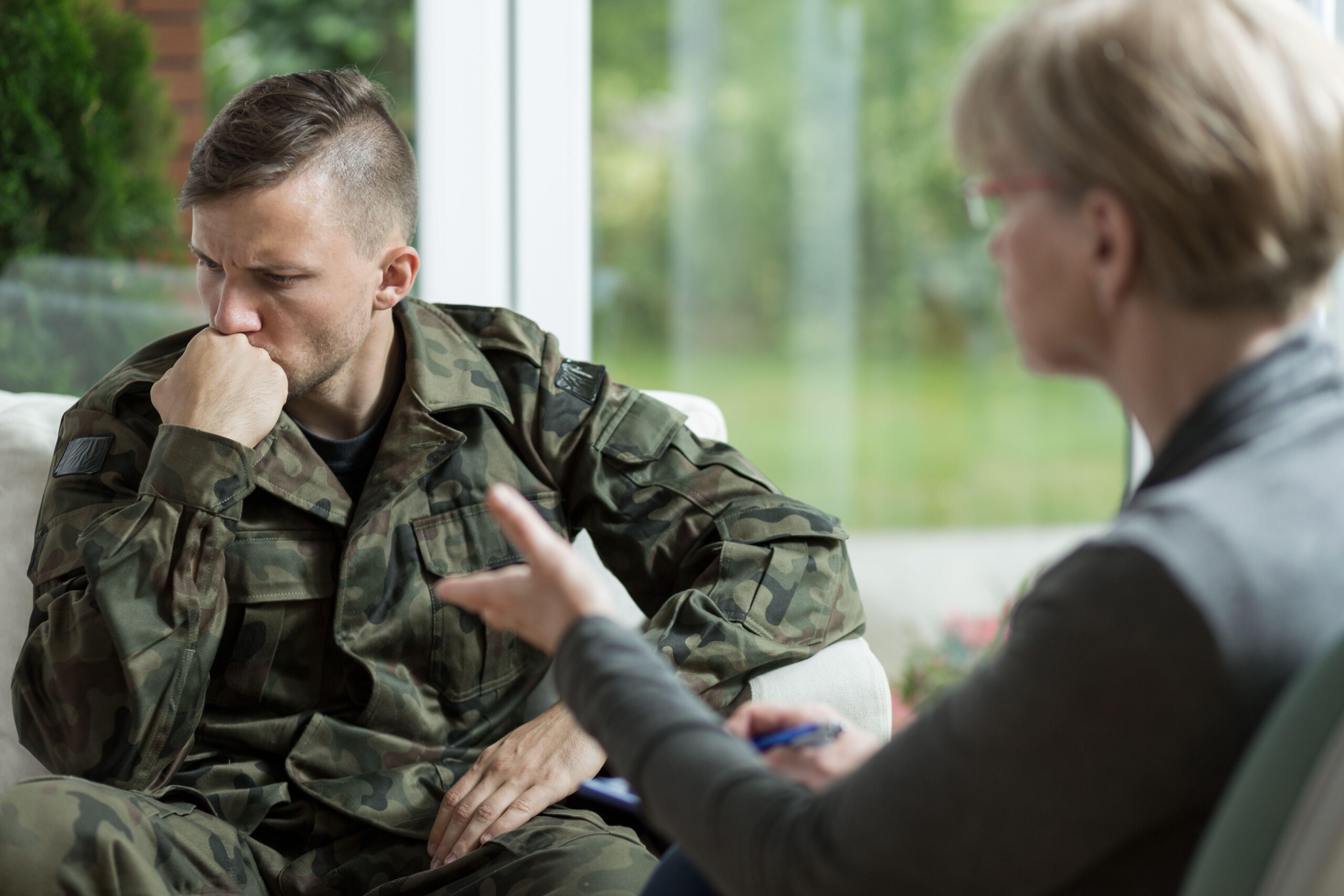
A Beacon of Hope: How a Breakthrough Therapy Is Reducing Veteran Suicide Attempts
Every year, the statistics paint a grim picture of a silent battle being fought by those who have served our country. In Canada, the suicide rate among Canadian Armed Forces personnel is 27 per 100,000—significantly higher than the Canadian general population—and Canadian veterans face 1.5 to 2 times the risk of dying by suicide [1] [2]. In 2023 alone, 21 Canadian Armed Forces members took their own lives, a tragic reality that demands urgent and effective solutions [3]. For years, the mental health community has been searching for interventions that can do more than just manage symptoms—therapies that can prevent the tragic outcome of a suicide attempt. Now, a groundbreaking study published in one of the world’s leading psychiatric journals offers a powerful beacon of hope, validating a therapy that is not only effective but also brief and accessible.
A recent randomized clinical trial, the Military Suicide Prevention Intervention Research (MSPIRE) study, published in JAMA Psychiatry in December 2025, has provided the strongest evidence to date for the effectiveness of Brief Cognitive Behavioral Therapy (BCBT) in preventing suicide attempts among high-risk military personnel and veterans [4]. While this research was conducted with U.S. service members, its implications are profound for Canadian veterans and military personnel facing similar mental health challenges.
The Science of Saving Lives: Inside the MSPIRE Trial
To truly understand the significance of this study, it’s important to look at how it was conducted. Researchers from 2020 to 2025 studied 108 U.S. military personnel and veterans who were all at high risk, reporting recent suicidal thoughts or behaviors. They were divided into two groups. One group received BCBT, while the other received Present-Centered Therapy (PCT), a credible, active form of therapy that focuses on current life problems. Using an active comparator like PCT instead of “treatment as usual” sets a very high bar; for BCBT to be considered a success, it had to outperform another legitimate therapy.
The results were nothing short of remarkable. Over the course of the study, participants who received BCBT were 75% less likely to make a suicide attempt than those in the active comparison group. While both therapies helped reduce the intensity of suicidal thoughts, BCBT was uniquely powerful in preventing the progression from thought to action. This is a critical distinction. It suggests that BCBT equips individuals with the specific skills needed to navigate a crisis and choose a path other than self-harm.
| Metric | Brief Cognitive Behavioral Therapy (BCBT) | Present-Centered Therapy (PCT) | Finding |
|---|---|---|---|
| Suicide Attempts | 5.6% of participants | 27.9% of participants | BCBT group had a 75% lower risk of attempting suicide (P = .04) |
| Suicidal Ideation | Significant Reduction | Significant Reduction | Both therapies were effective in reducing suicidal thoughts (no difference) |
| Time to First Attempt | Significantly Longer | Shorter | BCBT delayed the time to a potential suicide attempt (P = .03) |
Source: JAMA Psychiatry, 2025;82(12):1169–1176 [4]
Understanding the Crisis: Why Canadian Veterans Are at Higher Risk
Before we explore the solution, it’s essential to understand the scope of the problem in Canada. The statistics are sobering. According to the 2024 Report on Suicide Mortality in the Canadian Armed Forces, the suicide rate among Regular Force personnel reached 27 per 100,000 in 2023, up from 20.3 per 100,000 in 2022 [1]. Canadian veterans face an even starker reality—they are 1.5 to 2 times more likely to die by suicide compared to the Canadian general population [2]. In 2023, 21 Canadian Armed Forces members died by suicide, representing 17 Regular Force personnel and 4 Reservists [3].
Why are Canadian veterans and military personnel at such elevated risk? The answer is multifaceted. Military service often involves exposure to traumatic events, prolonged periods of high stress, and the challenge of transitioning back to civilian life. According to Veterans Affairs Canada, about one-fifth of Canadian veterans experience a diagnosed mental health disorder at some time during their lives, with PTSD, major depressive episodes, and anxiety disorders being the most common [5]. Among those receiving Veterans Affairs Canada benefits for psychiatric conditions, 70% have benefits specifically for PTSD [5].
The 2024 Canadian Armed Forces suicide report reveals that among those who died by suicide in 2023, there was a high prevalence of mental disorders (65% had at least one) and work or life stressors (94% had at least one). The most prominent stressors were physical health problems (65%), failing spousal or intimate relationships (59%), and job or work performance problems (59%) [1]. The military culture, which often emphasizes strength and self-reliance, can also create barriers to seeking help. When emotional pain becomes unbearable and traditional coping mechanisms fail, the risk of a suicidal crisis escalates dramatically.
This is precisely why the development and validation of targeted interventions like Brief Cognitive Behavioral Therapy are so crucial. These therapies don’t just address symptoms; they provide a structured, evidence-based pathway out of the crisis.
How Does Brief CBT Work? Building Skills for Survival
What makes this focused form of Cognitive Behavioral Therapy so effective? Unlike traditional talk therapy that might delve deep into the past or explore broad life themes over many months, BCBT is a skills-based approach designed to provide practical tools for immediate use. It operates on the principle that a suicidal crisis is often a failure of coping, a moment when emotional pain becomes so overwhelming that the ability to think clearly and solve problems shuts down. BCBT directly targets this breakdown.
The core of the therapy involves several key components:
-
Understanding Triggers: The first step is to help the individual identify the specific sequence of thoughts, feelings, and events that lead them into a suicidal crisis. By mapping this out, the crisis becomes less of a mysterious, overwhelming wave and more of a predictable pattern that can be interrupted.
-
Emotion Regulation Skills: At the heart of a suicidal crisis is intense emotional pain. BCBT teaches concrete skills to manage these powerful emotions without resorting to self-harm. These are not just calming techniques; they are robust strategies drawn from evidence-based practices that help individuals tolerate distress and reduce emotional vulnerability.
-
Cognitive Flexibility: The therapy directly challenges the rigid, hopeless thinking that characterizes a suicidal mindset. Patients learn to identify and question the thoughts that fuel their despair, such as “things will never get better” or “I am a burden to everyone.” By developing more flexible and realistic ways of thinking, they can see possibilities beyond the crisis.
-
Developing a Crisis Response Plan: This is a tangible, written plan that the individual creates with their therapist. It’s a step-by-step guide for what to do when suicidal thoughts emerge, including using coping skills, contacting supportive friends or family, and reaching out to professional resources. It serves as a lifeline when thinking becomes difficult.
This approach reframes the struggle. It empowers the individual, moving them from a passive victim of their pain to an active agent in their own survival, armed with a toolkit of proven strategies.
One particularly important element of BCBT, as noted in recent commentary on the MSPIRE trial, is its focus on sleep disturbance [4]. Sleep problems are both a symptom and a driver of mental health crises. Insomnia and disrupted sleep can intensify emotional pain, impair cognitive function, and increase impulsivity—all factors that elevate suicide risk. By addressing sleep as part of the therapeutic protocol, BCBT tackles a critical but often overlooked contributor to suicidal behavior.
Practical Steps and a Path Forward
The findings from the MSPIRE trial are more than just data; they are a call to action. For Canadian veterans, active-duty service members, and their families, this research provides a clear direction for seeking help. It underscores that there are targeted, effective, and relatively short-term treatments that work. When seeking mental health support, it is appropriate and empowering to ask for evidence-based therapies like CBT that are specifically designed for suicide prevention.
For Canadian Veterans and Service Members: If you or someone you care about is experiencing suicidal thoughts, reaching out for professional help is the most important first step. Veterans Affairs Canada offers specialized mental health services, including access to therapists trained in evidence-based interventions. The Veterans Crisis Line (dial 988, then press 1) provides immediate, confidential support 24/7 for Canadian veterans and their families [6]. You can also text 838255 or access online chat support. Don’t wait for a crisis to escalate; early intervention is key.
For Families and Friends: Supporting a loved one who is struggling with suicidal thoughts can feel overwhelming. The most powerful thing you can do is listen without judgment and encourage them to seek professional help. Familiarize yourself with the warning signs of suicide, which include talking about wanting to die, expressing feelings of hopelessness, withdrawing from social activities, and giving away possessions. Your presence and support can be a lifeline, but remember that professional intervention is essential.
For the Broader Community: While professional therapy is essential, the principles of BCBT can also inform how we support ourselves and each other. Building emotional awareness, practicing mindfulness to stay grounded in the present moment, and identifying healthy coping strategies for stress are all practical steps that align with this life-saving approach. It’s about building a life that feels more manageable and meaningful, one day at a time. Creating a culture where mental health is openly discussed and seeking help is seen as a sign of strength, not weakness, is a collective responsibility.
The Broader Implications: A Model for All High-Risk Populations
While the MSPIRE trial focused specifically on U.S. military personnel and veterans, the implications of this research extend far beyond that population and across international borders. Suicide is a leading cause of death across all demographics. The success of BCBT in a high-risk military population suggests that this approach could be adapted and applied to other groups facing elevated suicide risk, including Canadian veterans, adolescents, individuals with chronic mental illness, and those experiencing acute life crises.
The scalability and cost-effectiveness of BCBT are particularly noteworthy. Because it is a brief intervention—typically delivered in 8 to 12 sessions—it can be more widely implemented than longer-term therapies. This makes it a practical option for healthcare systems that are often stretched thin. The evidence is clear: we don’t need to choose between accessibility and effectiveness. BCBT offers both.
Conclusion: A New Standard of Care
The crisis of veteran suicide is one of the most pressing challenges facing Canada, but despair is not the answer. Rigorous scientific research like the MSPIRE trial is illuminating the path forward. By demonstrating conclusively that Brief Cognitive Behavioral Therapy can dramatically reduce suicide attempts, these findings establish a new standard of care and offer genuine, evidence-based hope.
This research confirms that we have effective tools to combat this epidemic. The challenge now is to ensure these treatments are widely available and accessible to every Canadian service member and veteran who needs them. For anyone struggling, please know that your pain is real, but it is not the end of the story. There is help, there is hope, and there is a way through.
Disclaimer: This blog post is for informational purposes only and is not a substitute for professional medical advice, diagnosis, or treatment. If you or someone you know is in crisis, please contact the Veterans Crisis Line by dialing 988 then pressing 1, texting 838255, or accessing online chat support. In Canada, you can also call the Canada Suicide Prevention Service at 1-833-456-4566 (24/7) or text 45645 (4 PM to midnight ET).
References
[1] Government of Canada. (2025, June 17). 2024 Report on Suicide Mortality in the Canadian Armed Forces (1995 to 2023). Retrieved from https://www.canada.ca/en/department-national-defence/corporate/reports-publications/health/2024-report-on-suicide-mortality-in-the-caf-1995-to-2023.html
[2] Royal Canadian Naval Warfare and Policy Studies. (2025, August 14). Policy Brief: Understanding Casualties Beyond the Battle. Retrieved from https://www.rnwps.ca/policy-briefs/pb-12-phone-min-thant
[3] Canadian Affairs. (2025, October 12). ‘An era of increased suicide risk’: Committee tackles veterans suicide prevention. Retrieved from https://www.canadianaffairs.news/2025/10/12/an-era-of-increased-suicide-risk-committee-tackles-veterans-suicide-prevention/
[4] Bryan, C. J., Khazem, L. R., Baker, J. C., et al. (2025). Brief Cognitive Behavioral Therapy for Suicidal Military Personnel and Veterans: The Military Suicide Prevention Intervention Research (MSPIRE) Randomized Clinical Trial. JAMA Psychiatry, 82(12), 1169–1176. doi:10.1001/jamapsychiatry.2025.2850
[5] Veterans Affairs Canada. (2025, July 17). Understanding mental health. Retrieved from https://www.veterans.gc.ca/en/mental-and-physical-health/mental-health-and-wellness/understanding-mental-health
[6] Veterans Crisis Line. 24/7 Confidential Crisis Support for Veterans. Retrieved from https://www.veteranscrisisline.net/
